Knowledge Base / News / Safety & Compliance
On April 10, 2026, OSHA issued Directive CPL 03-00-024, updating its National Emphasis Program for outdoor and indoor heat-related hazards. The directive reflects a growing body of evidence showing that occupational heat exposure is both widespread and underreported: from 2021 to 2024, environmental heat contributed to an estimated average of 3,793 serious workplace cases and 48 fatalities each year, while OSHA conducted roughly 2,400 heat-related inspections annually between 2022 and 2025.
The directive raises a practical question for every facility and safety leader: How are you monitoring heat conditions where employees actually work?
Many organizations have a heat-safety policy, access to weather data, and a thermostat somewhere in the building. What they may not have is continuous visibility into localized temperature, humidity, and heat index across warehouses, loading docks, production areas, kitchens, mezzanines, mechanical spaces, and other zones where conditions can change quickly.
That is the indoor heat visibility gap.
A single thermostat may represent only one room or HVAC zone. It may not show rising temperature, humidity, or heat index near machinery, loading docks, warehouse mezzanines, server rooms, or areas with limited airflow.
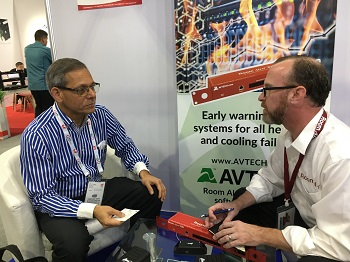
Room Alert helps close that gap. The Room Alert MAX Heat Safety Monitor continuously monitors temperature, humidity, and heat index across multiple facility areas. Room Alert Account centralizes current readings, alerts, and historical environmental data so designated personnel can recognize changing conditions and respond according to established procedures.
The Room Alert point of view is simple: workplace heat is not only a policy problem. It is also a visibility problem.
“A written heat-safety plan is important, but it cannot tell you what is happening in every part of a facility. Employers need visibility into the conditions people are actually experiencing so the right teams can respond before a localized issue becomes a larger risk.”
Rick Grundy, President and CEO, AVTECH Software
OSHA’s federal heat rule remains proposed, but the agency’s National Emphasis Program is active now. The updated directive remains operative for up to five years unless it is canceled or replaced by another directive.
Under the updated National Emphasis Program, a heat priority day occurs when the heat index is expected to reach at least 80°F. During inspections opened for other reasons on those days, OSHA officers should ask whether the employer has a heat hazard prevention program and assess potential indoor and outdoor risks. Officers may also expand an inspection when they encounter evidence of hazardous heat conditions.
This means OSHA may begin asking about heat safety even when heat was not the original reason for the inspection.
The proposed federal rule separately includes an initial heat trigger at 80°F and a high heat trigger at 90°F. These remain proposed requirements, not final nationwide limits. State requirements may also apply and vary by location.
OSHA’s directive indicates that inspectors may examine whether an employer has an effectively communicated heat program, how conditions were monitored, and whether workers received water, rest, training, acclimatization time, and access to cooler areas.
The directive also calls for documenting workplace temperature, relative humidity, heat index, and conditions at the time of an incident.
A weather application or one thermostat may not provide a complete picture of conditions throughout a facility. Monitoring should occur where people actually work and where environmental conditions are most likely to vary.
• Facilities: One thermostat may not reflect conditions across warehouses, loading docks, mezzanines, kitchens, production areas, or poorly ventilated spaces.
• Safety and Compliance: OSHA may expand an inspection to include heat, so teams should be ready to explain how conditions are monitored, documented, and acted on.
• Operations: Heat can affect staffing, productivity, shift planning, and continuity. Risk may vary by task, machinery, PPE, airflow, and time of day.
• HR: New and returning workers may need added acclimatization, training, and monitoring.
• Multi-site organizations: Centralized visibility can help standardize thresholds, alerts, documentation, and response across locations.
• High-risk industries: Warehousing, manufacturing, transportation, construction, utilities, food processing, automotive, restaurants, and building services may face greater scrutiny.
Room Alert allows organizations to monitor multiple locations and establish alert thresholds for each area.
When temperature, humidity, or heat index exceeds a selected threshold, designated personnel can evaluate the affected space and follow the organization’s response procedures. Historical environmental data can also help teams identify recurring hot periods, compare facility zones, and understand what occurred before an incident or operational disruption.
Room Alert supports a broader heat safety program, but it does not replace water, rest, training, acclimatization, emergency procedures, or applicable federal and state requirements.
The Room Alert MAX Heat Safety Monitor is currently listed at $1,099. The maximum federal OSHA penalty for a serious violation is $16,550 per violation.
Room Alert does not guarantee compliance or prevent a citation. It does show that adding continuous environmental visibility can be a relatively modest investment compared with the financial and operational consequences of an unmanaged heat hazard.
Monitoring alone does not establish compliance, but it can help teams stay vigilant over compliance controls and identify changing conditions earlier and respond through their established heat-safety procedures.
OSHA’s proposed rule may continue to evolve, but indoor heat risks already exist.
Room Alert helps close the gap between policy and reality by continuously monitoring temperature, humidity, and heat index where employees work and critical operations take place.
With better visibility, organizations can recognize changing conditions sooner and respond before a localized issue becomes a broader risk to people, equipment, or operations
Where could heat conditions be going unseen in your facility?
Speak with a Room Alert Product Specialist about monitoring temperature, humidity, and heat index across critical work areas.
Prefer to contact us directly?
• Email: Sales@RoomAlert.com
• Call: 401-628-1600
Room Alert is an environmental monitoring solution and does not, by itself, guarantee compliance with OSHA or state occupational safety requirements.


We'd love to talk with you about your monitoring needs. Contact one of our Product Specialists for a free consultation.


You may find Windows Command Prompt at the following path:
To run Windows Command Prompt as an administrator:
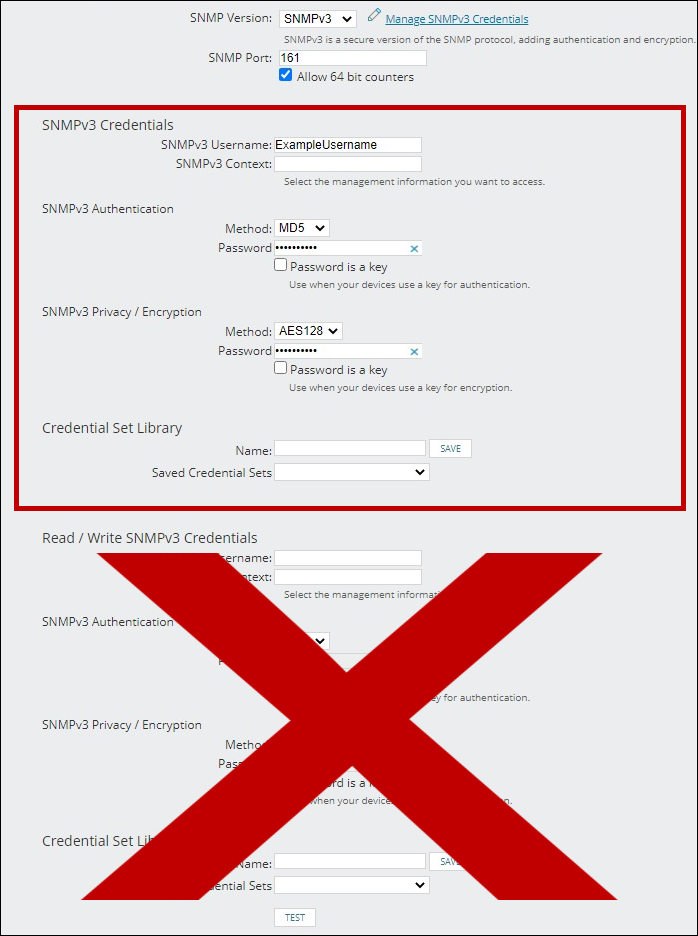
If you are using this client, you should configure the general SNMPv3 Credentials, but leave the Read / Write SNMPv3 Credentials section blank.

| Current S models | Current E models |
|---|---|
| Room Alert 32S | Room Alert 32E |
| Room Alert 12S | Room Alert 12E |
| Room Alert 3S | Room Alert 4E |
| Room Alert 3E | |
| S models | E & W models |
|---|---|
| Room Alert 32S | Room Alert 32E |
| Room Alert 12S | Room Alert 12E |
| Room Alert 3S | Room Alert 4E |
| Room Alert 3E | |
| Room Alert 3W |
| Model |
|---|
| Room Alert MAX |
| Room Alert 32S |
| Room Alert 12S |
| Room Alert 3S |
| Room Alert 32E/W |
| Room Alert 12E |
| Room Alert 4E |
| Room Alert 3E |
| Room Alert 3 Wi-Fi |